
Blog / Guide
Write to UsProxies for Market Research: How Businesses Collect Accurate Global Data
April 29, 2026
Guide
Market research today happens online. To monitor prices, track competitors, validate ads, and understand customer sentiment, teams need location-accurate data that is not distorted by personalization.
Proxies make that possible by routing requests through different locations and IPs so businesses can see markets the same way local users do.
Why Market Research Needs Proxies
Without proxies, research often produces biased or incomplete results because websites personalize what users see.
Personalization commonly depends on:
- Geographic location
- Browsing behavior
- IP history
- Device fingerprints
- Login sessions
By rotating across multiple IPs, proxy traffic captures more neutral, location-specific data and reflects real customer experiences.
Challenges in Gathering Market Data
Global data collection is frequently blocked by geo restrictions, IP rate limits, and CAPTCHAs. Manual collection is slow and error-prone, while automated systems fail when anti-bot controls trigger.
Market research proxies reduce these interruptions and provide stable, scalable access for analytics pipelines.
Key Market Research Tasks That Use Proxies
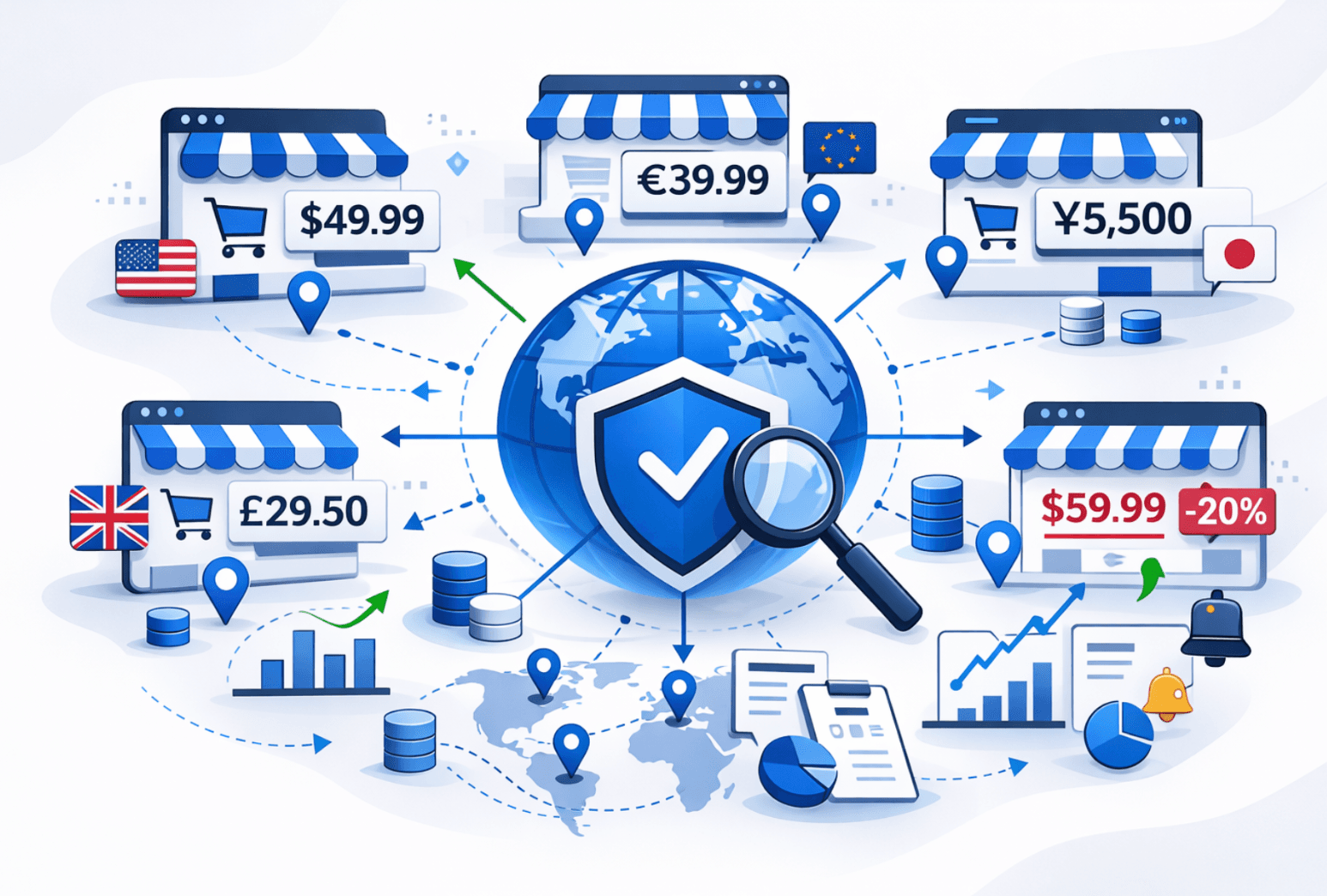
Competitor price monitoring
E-commerce prices change by region and traffic source. Proxies let teams compare local prices, detect discounts, and monitor dynamic pricing strategies without getting blocked.
SERP and advertising analysis
Search results and ads differ by location. Proxies help marketing teams check local rankings and validate placements for campaigns in multiple countries.
For ad monitoring workflows, see this ad verification guide.
Social media sentiment tracking
Proxies reduce rate limits and temporary restrictions while teams monitor brand mentions and discussions across local feeds.
Large-scale data collection
Rotating proxies keep long-running collection jobs stable by distributing requests and minimizing IP bans.
How Proxies Work
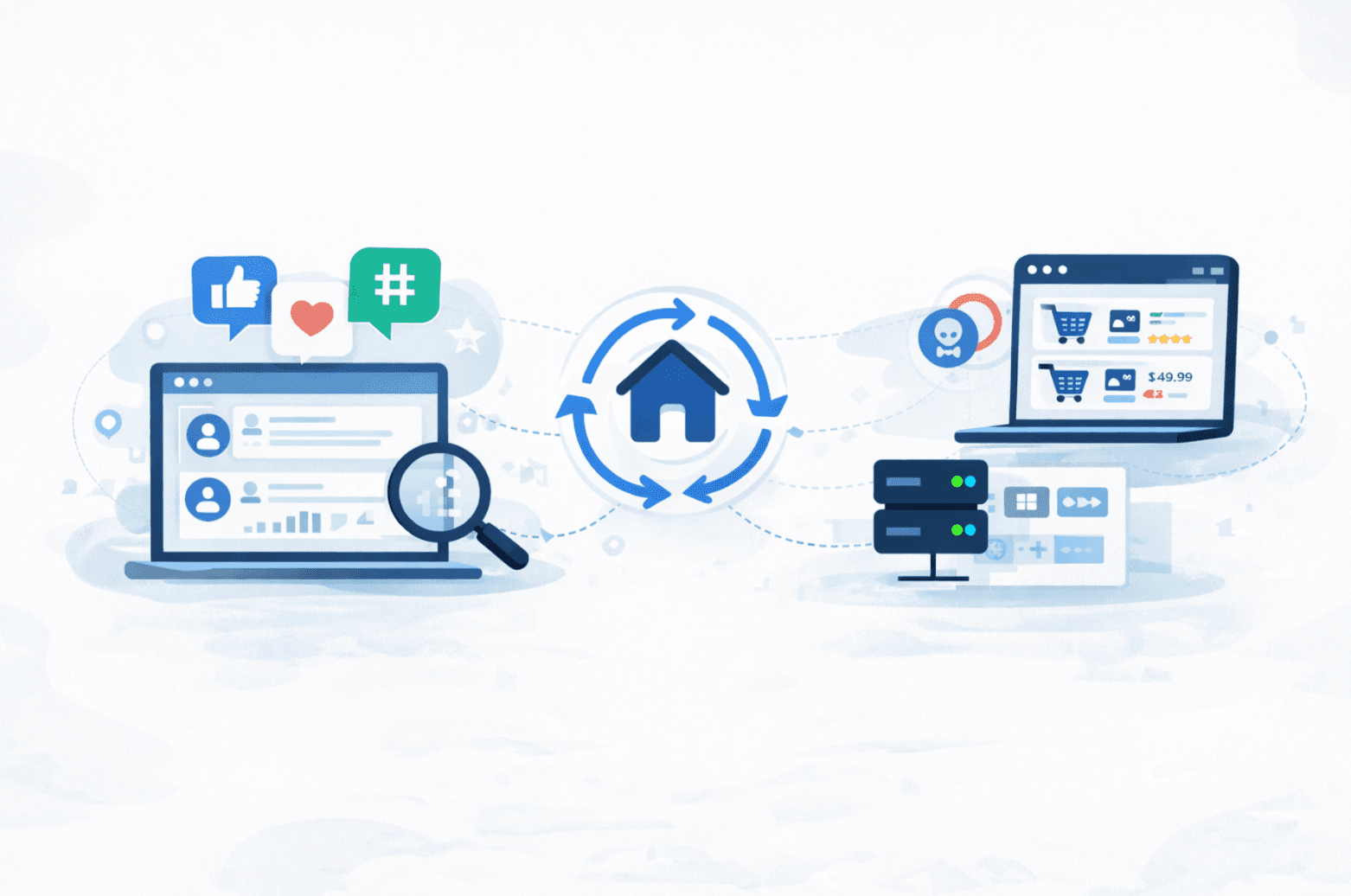
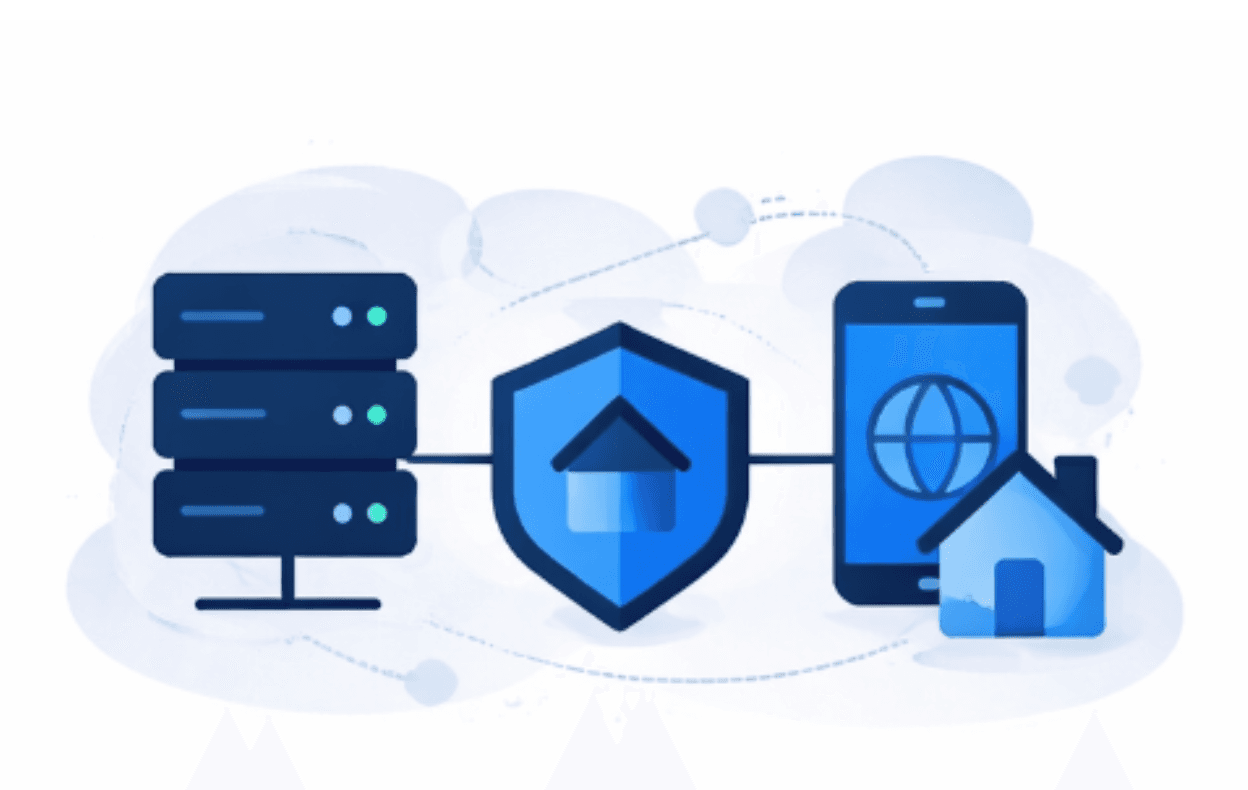
A proxy sits between your systems and target websites, forwarding requests through another IP. This masks your origin and allows location-based access while reducing block risk.
Residential proxy networks are especially effective for market research because their IPs resemble normal consumer traffic.
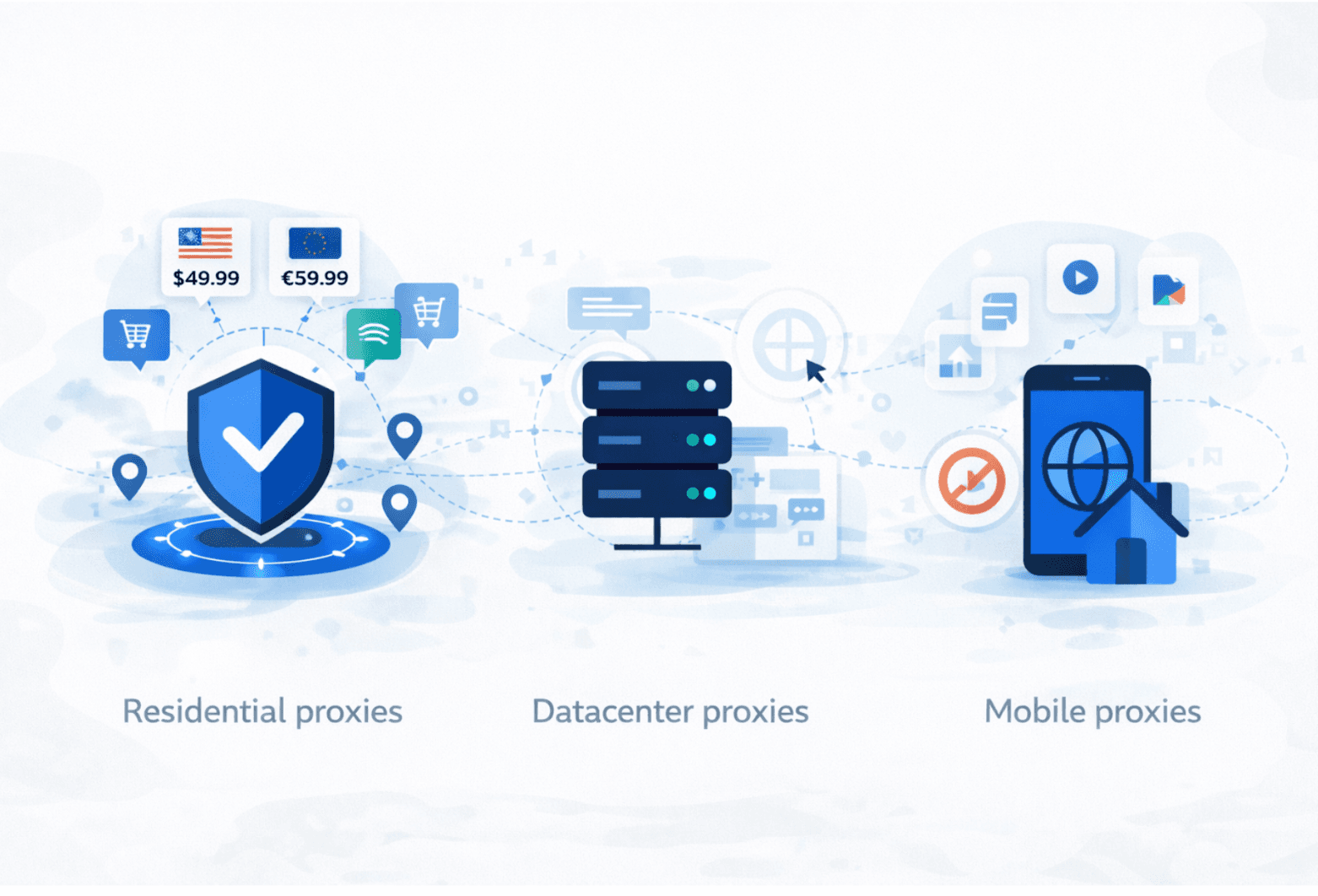
Types of Proxies Best for Market Research
The right type depends on target site strictness, budget, and scale.
- Residential proxies for realistic user behavior and local market visibility.
- Datacenter proxies for high-speed, lower-cost bulk collection.
- Mobile proxies for mobile-first platforms and hard-to-scrape environments.
- IPv6 proxies for very large IP pools and experimental scaling strategies.
Accessing Restricted Content
Proxies allow access to location-restricted content by routing traffic through regional IPs. This gives teams visibility into country-specific pricing, messaging, and marketplace behavior.
With reliable geo coverage, businesses can benchmark competitors and make better expansion decisions.
Proxy Rotation and Management
Rotation is critical for uninterrupted collection. By switching IPs strategically and monitoring health, teams avoid bans and keep research pipelines stable.
Many providers support rotating pools and management tooling for easier operations.
Data Quality and Validation
Data quality defines research value. Automated collection should be validated through source cross-checking, benchmark comparison, and selective manual review.
High-quality proxy infrastructure helps reduce noisy, inconsistent results by keeping access stable and location-accurate.
Ethical and Legal Considerations
Professional market research should focus on public information and responsible collection practices.
- Respect relevant website terms
- Avoid personal data collection
- Follow privacy and regional legal requirements
- Use proxies responsibly and transparently
Done correctly, proxies support lawful access to publicly accessible market signals across regions.
Why Proxies Are Becoming Standard Research Tools
Competitive markets and personalized content make single-location browsing insufficient. Reliable global research now requires:
- Global visibility
- Consistent data collection
- Automation at scale
- Uninterrupted access
Businesses that invest in dependable proxy networks gain more accurate competitive insights and make stronger decisions in pricing, advertising, and market expansion.
Market Research Proxy FAQs
What are proxies used for in market research?
Proxies let teams collect location-accurate data by masking origin IPs and routing traffic through different regions. This helps with pricing checks, SERP analysis, ad verification, and competitor intelligence.
Why can’t companies do market research without proxies?
Which proxy type is best for market research?
Are proxies legal to use for market research?
Can proxies help track competitor prices automatically?
Do proxies improve international SEO research accuracy?
How important is proxy rotation in long-term research projects?

LightningProxies Team
Technical Writers @LightningProxies

February 18, 2026
Guide
Proxies for Scraping: How They Work and How to Choose the Right Type
Learn why proxies are essential for web scraping, how they work, and how to choose the right proxy type for reliable large-scale collection.
February 15, 2026
Guide
SEO Proxies: Why They Matter More Than Ever for Real SEO Work
See how SEO proxies improve rank tracking accuracy, SERP monitoring, and local competitor analysis across different countries.

September 29, 2025
Guide
What Is a Residential Proxy: Complete Guide 2025
Understand residential proxy fundamentals, real-user IP behavior, and practical use cases for data collection and privacy.