Blog / Guide
Write to UsProxies for Scraping: How They Work and How to Choose the Right Type
February 18, 2026
Guide
Web scraping has become an essential technique for collecting publicly available data at scale. From market research and price monitoring to SEO analysis and data science, scraping allows businesses and developers to extract structured information from websites efficiently. However, modern websites actively limit automated access, which is where proxies become critical.
Proxies for web scraping are specialized tools designed to optimize performance, avoid detection, and manage different proxy types, making large-scale data extraction more efficient and reliable.
Why Proxies Are Essential for Web Scraping
When you scrape a website without proxies, all requests originate from a single IP address. This creates immediate problems:
- IP rate limits are quickly exceeded
- Requests get blocked or throttled
- CAPTCHAs appear
- Entire IP ranges may be banned
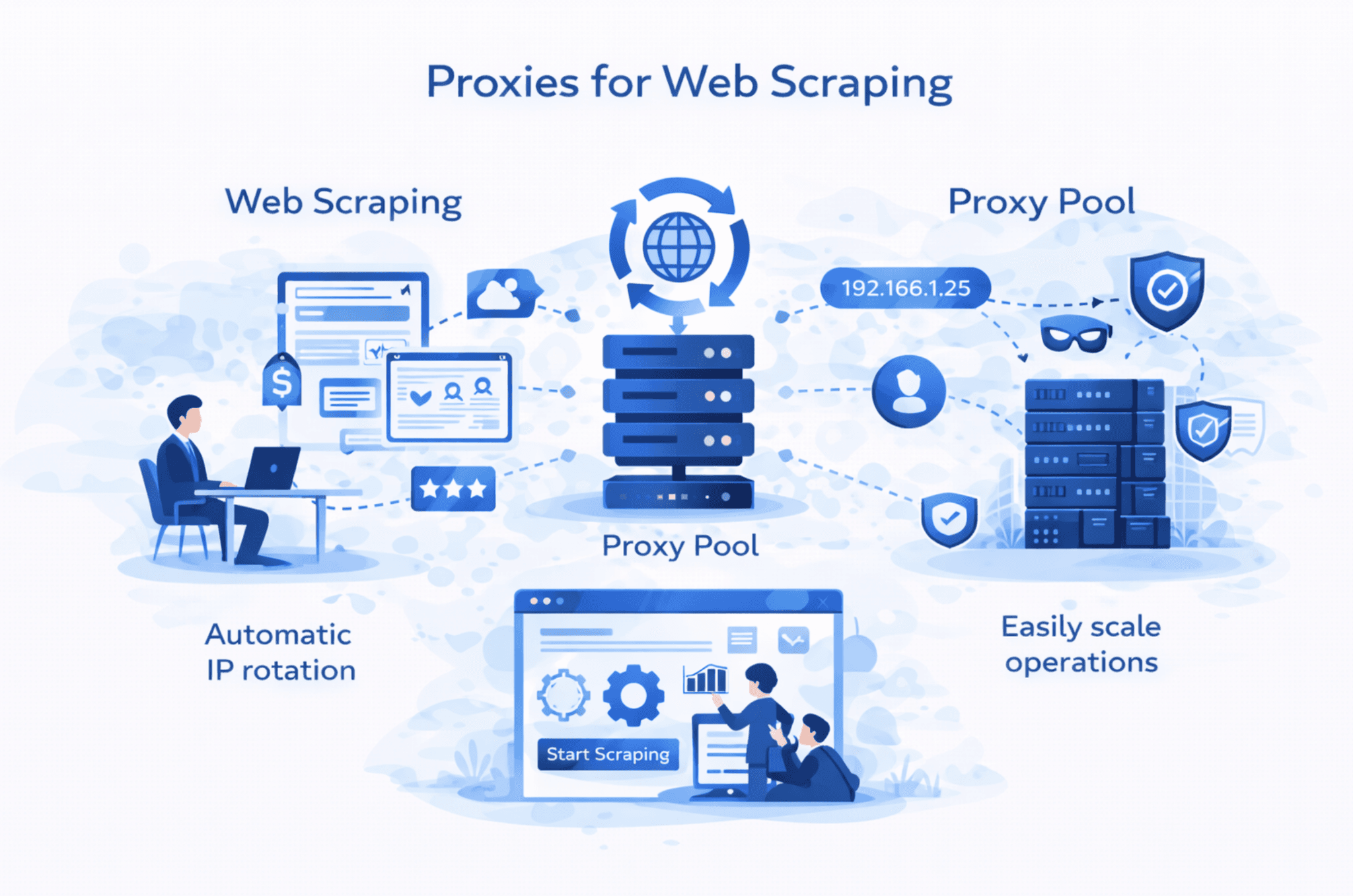
Proxies solve this by routing your requests through multiple IP addresses, distributing traffic in a way that resembles real users. This allows scrapers to operate at scale while reducing detection risk. Certain proxy types, such as residential proxies, offer a lower risk of being flagged by websites because they are associated with real human users and expected browsing behavior.
How Proxies Work in Scraping
A proxy acts as an intermediary between your scraper and the target website. Instead of connecting directly, your scraper sends requests to a proxy server, which then forwards them to the website.
From the website's perspective:
- The request comes from the proxy's IP, not yours
- Each request can appear to originate from a different location or network
- Traffic looks more natural and less automated
Rotating proxies, in particular, allow you to change IPs frequently, which is critical for scraping large datasets.
Common Scraping Challenges Proxies Help Solve
Websites use a wide range of defenses against scraping. Proxies help overcome many of them:
- Rate limiting: Multiple IPs reduce request frequency per IP
- IP bans: Blocked IPs can be replaced instantly
- Geo restrictions: Location specific content can be accessed
- Behavior analysis: Diverse IPs reduce fingerprinting accuracy
Without proxies, most scraping projects fail once scale is introduced.
Types of Proxies Used for Scraping
Not all proxies behave the same. Datacenter and residential proxies are the most common types used for scraping, and there are key differences between different proxies that impact their effectiveness. The right choice depends on the website being scraped and the sensitivity of its protection systems, with residential and datacenter proxies each offering unique features and trustworthiness. Key differences include their source of IP addresses, cost, reliability, and ability to avoid anti-bot detection.
Datacenter Proxies
Datacenter proxies come from servers hosted in data centers. They are fast, affordable, and ideal for scraping sites with weak or moderate protections. Datacenter proxies often function as HTTP proxies, providing high performance with unlimited bandwidth at a lower cost compared to other types. However, they are easier to detect because their IP ranges are known.
Best for: High volume scraping, public data with minimal protection, speed focused tasks
Residential Proxies
Residential proxies use IP addresses assigned to real household internet connections. Because they look like normal users, they are significantly harder to detect and present a lower risk of being blocked. Some providers also offer ethically sourced proxies, emphasizing ethical sourcing and responsible practices.
Best for: E-commerce scraping, price monitoring, SERP data, sites with advanced bot detection, rotating residential proxies for sites with advanced detection
Mobile Proxies
Mobile proxies route traffic through real mobile carrier networks. These IPs rotate naturally and are trusted by most platforms. However, mobile proxies are often shared among multiple users at the same time, which can impact their risk profile and performance for scraping tasks.
Best for: Social media scraping, app data collection, highly protected platforms, long running scraping sessions
IPv6 Proxies
IPv6 proxies provide access to the newer IPv6 internet infrastructure. This allows access to more IP addresses, creating a large pool for scraping tasks. Many websites still have limited IPv6 filtering rules, making them useful in certain scraping environments.
Best for: Large scale scraping, experimental or hybrid setups, cost efficient IP scaling
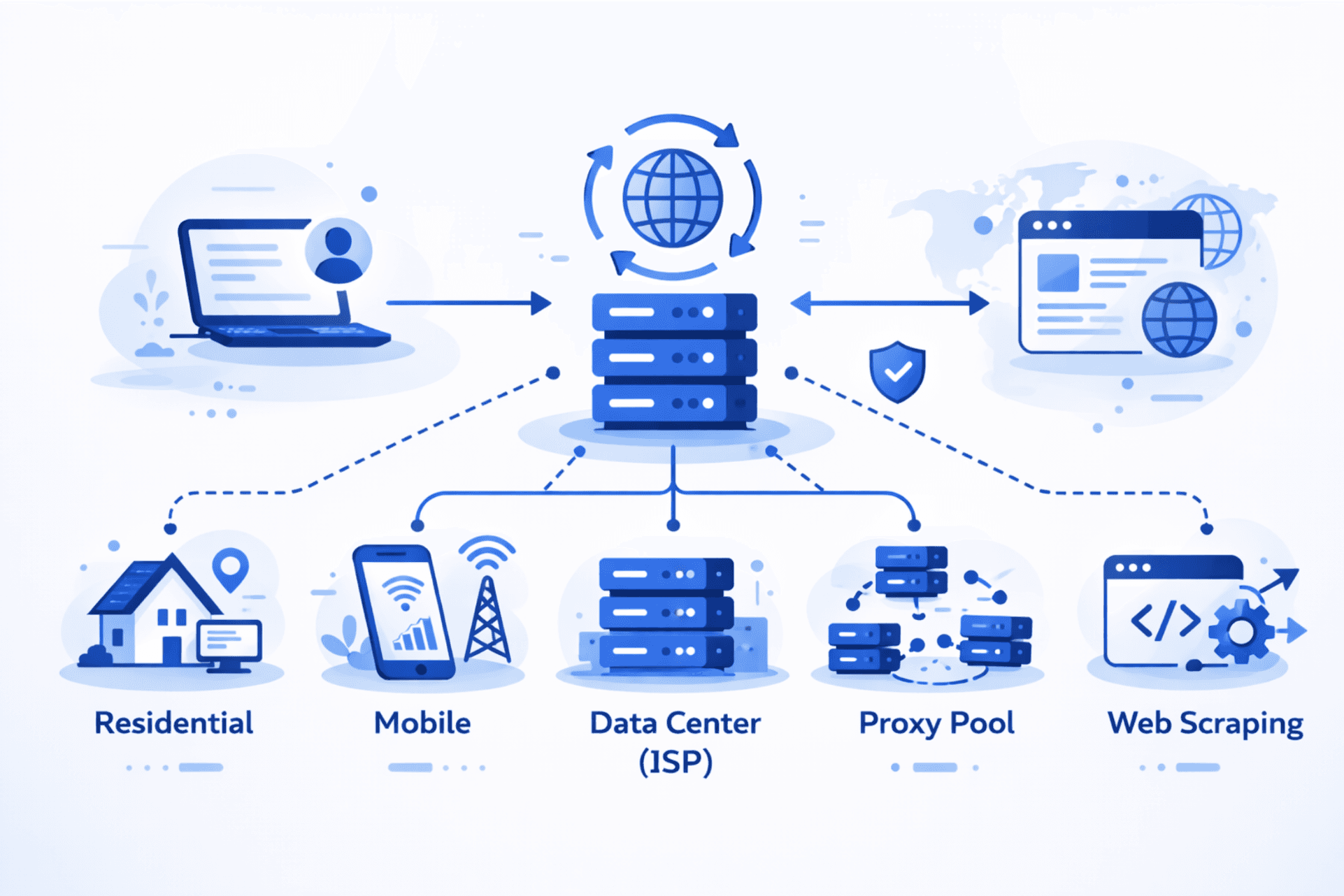
Proxy Pool and Dedicated Proxies
When planning a web scraping project, choosing between a proxy pool and dedicated proxies can have a significant impact on your results. A proxy pool is a large collection of proxies that your scraper can draw from, distributing requests across many IP addresses to avoid detection and blocking. This approach is cost-effective and works well for smaller projects or when you don't need full control over each proxy.
Dedicated proxies, on the other hand, are assigned exclusively to a single user. This exclusivity provides maximum control, customization, and reliable performance, making dedicated proxies the best choice for large-scale web scraping, e-commerce monitoring, or any project where security and speed are top priorities. With dedicated proxies, you don't have to worry about other users' activities affecting your access or performance.
For example, a major e-commerce site tracking competitor prices in real time would benefit from dedicated proxies to ensure uninterrupted, high-speed access. Meanwhile, a smaller web scraping project collecting public data might find a proxy pool more than sufficient, balancing performance with affordability.
Ultimately, the choice between a proxy pool and dedicated proxies depends on your project's size, performance needs, and budget. Assess your requirements carefully to select the proxy solution that delivers the best value and reliability for your web scraping goals.
Public Proxies and Security
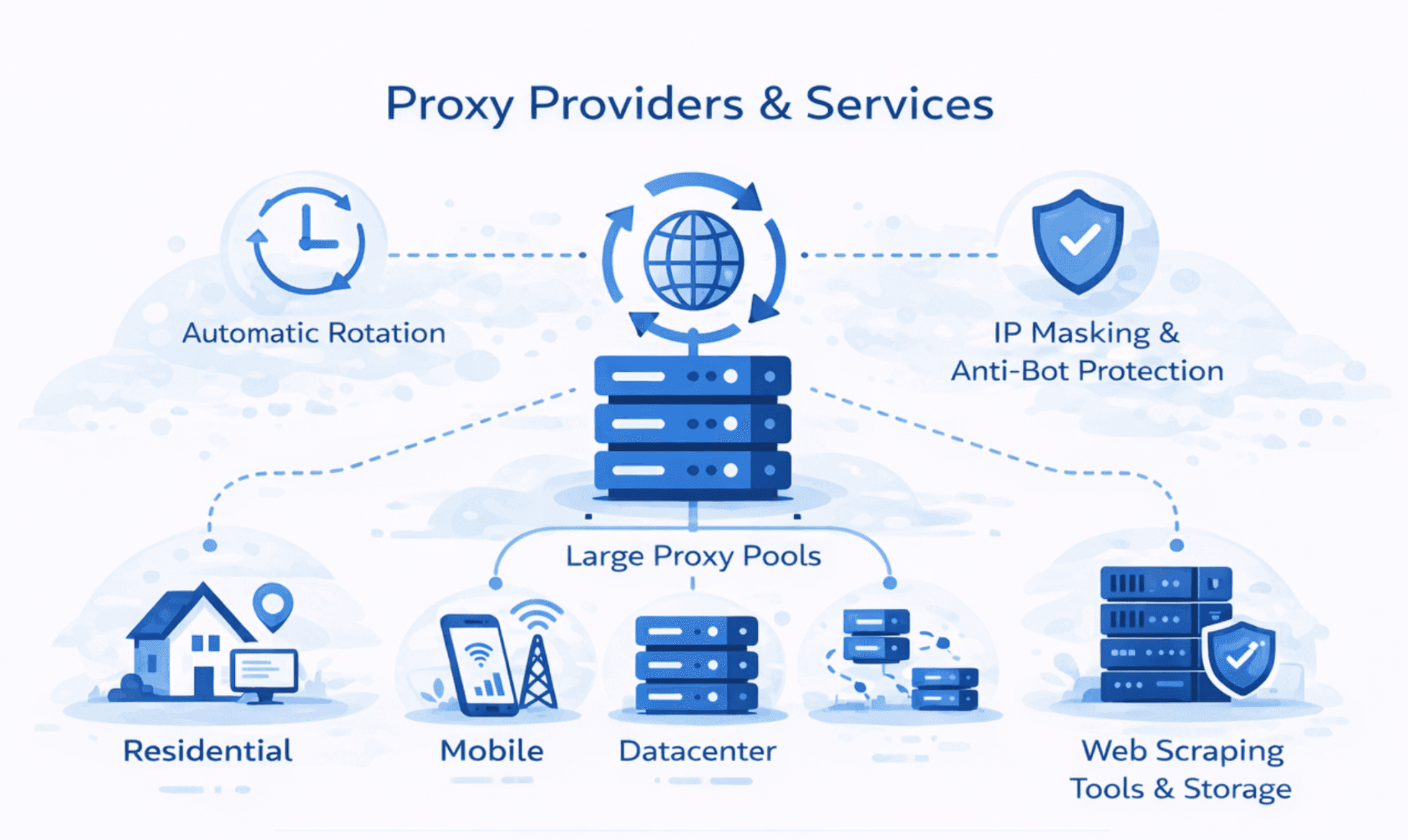
While public proxies, often marketed as free proxies, may seem like an attractive option for web scraping, they come with significant security and reliability risks. Public proxies are available to anyone, which means they are frequently overloaded, slow, and often blacklisted by target websites. More importantly, using public proxies can expose your data to theft, malware, and other malicious activities, putting your entire web scraping project at risk.
In contrast, private proxies such as residential proxies and datacenter proxies, offered by reputable proxy services, provide much higher levels of security, reliability, and performance. Residential proxies use real residential IP addresses, making them ideal for accessing geo restricted content and performing geo targeting with a high degree of anonymity. Datacenter proxies offer speed and scalability, suitable for projects where performance is critical.
For most web scraping projects, especially those requiring access to sensitive or geo restricted data, it's recommended to invest in private proxies or premium proxy services. These solutions not only protect your data but also ensure consistent access and better results. If you must use public proxies, always use encryption and closely monitor proxy performance, but be aware that the risks often outweigh the benefits. Choosing the right proxy solution is essential for secure, efficient, and successful web scraping.
Choosing the Right Proxy for Scraping
There is no universal "best" proxy. The choice depends on several factors:
- Target website protection level
- Request volume and frequency
- Need for geo targeting
- Budget constraints
Choosing the right proxy provider or web scraping proxy provider is essential, as some offer premium proxies with advanced features, affordable plans, and flexible pricing to suit different needs and budgets. Certain websites may require specialized proxies or features to ensure successful and efficient scraping.
For example, scraping a search engine requires different proxy behavior than scraping a public directory or blog archive.
Best Practices When Using Proxies for Scraping
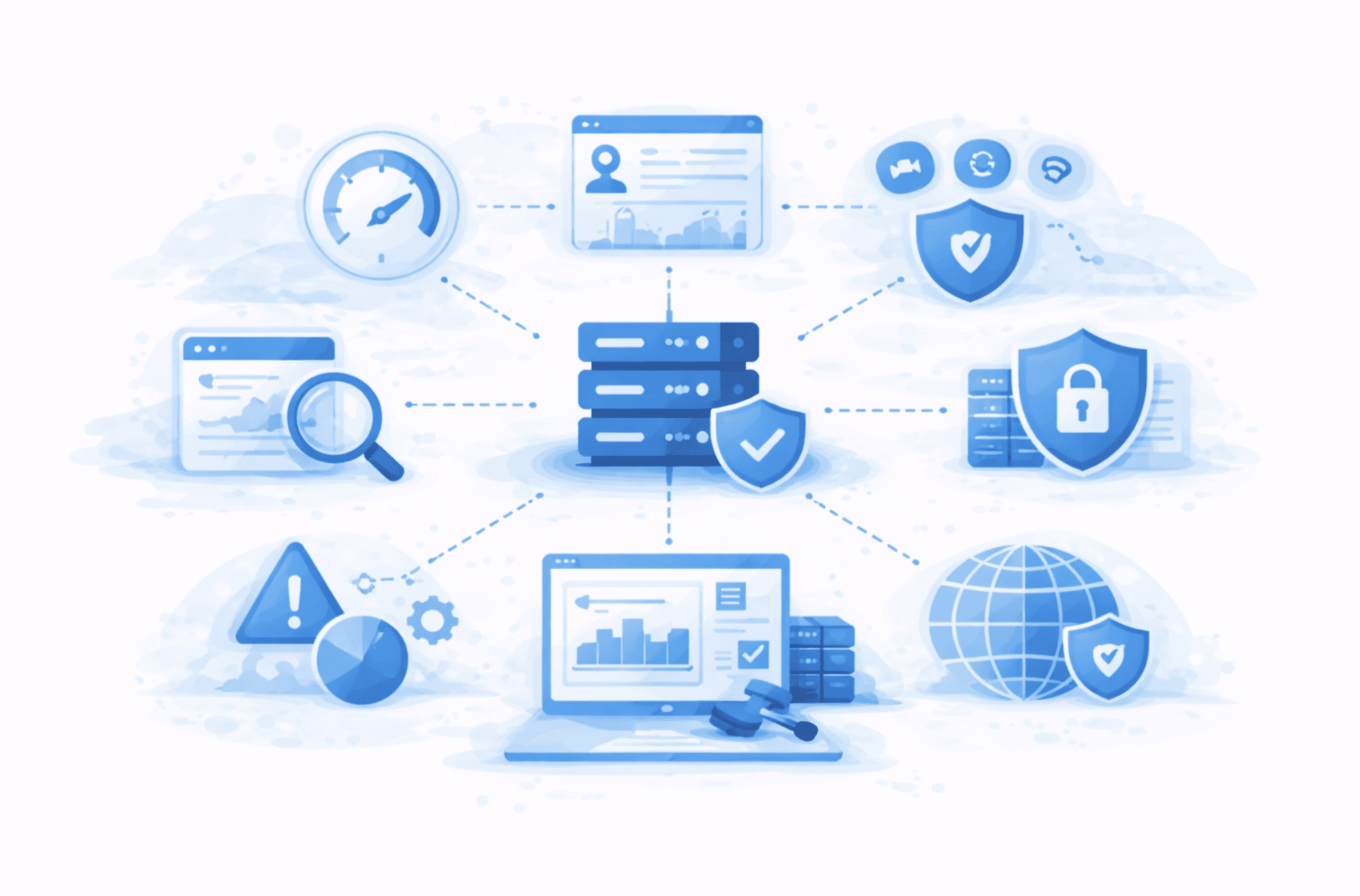
Using proxies alone is not enough. Effective scraping requires proper configuration:
- Rotate IPs intelligently, not randomly
- Respect reasonable request delays
- Use realistic headers and user agents
- Combine proxies with session handling
- Monitor block rates and replace failing IPs
- Use tools to manage proxies and enable automatic proxy rotation for seamless switching and reduced bans
Advanced features in proxy management tools, such as IP authentication, API integration, and customization options, can help overcome advanced anti bot systems that some sites employ.
Poor implementation can get even the best proxies blocked.
Final Thoughts on Scraping Proxies
Proxies are a foundational component of any serious web scraping operation. They enable scale, improve reliability, and significantly reduce blocking risks when used correctly.
Understanding how different proxy types behave and aligning them with your scraping goals is far more important than simply maximizing IP count. When combined with proper scraping logic, proxies turn unstable scripts into sustainable data pipelines. At LightningProxies, we provide the residential, datacenter, mobile, and IPv6 proxy solutions that power serious web scraping.
Scraping Proxy FAQs
What are proxies for scraping?
Why do websites block scrapers?
Are proxies required for all scraping projects?
How many proxies do I need for scraping?
What is the difference between rotating and static proxies?
Are residential proxies better than datacenter proxies for scraping?
When should mobile proxies be used for scraping?
Can proxies help with geo specific scraping?

November 7, 2025
Guide
The Ultimate Guide to Proxy IP Types
Discover the different types of proxy IPs: residential, datacenter, mobile, and IPv6 proxies. Learn which proxy type is best for your needs and how to choose the right setup.
September 29, 2025
Guide
What Is a Residential Proxy: Complete Guide 2025
Learn everything about residential proxies: how they work, types, benefits, and use cases for web scraping and privacy.
October 15, 2025
Guide
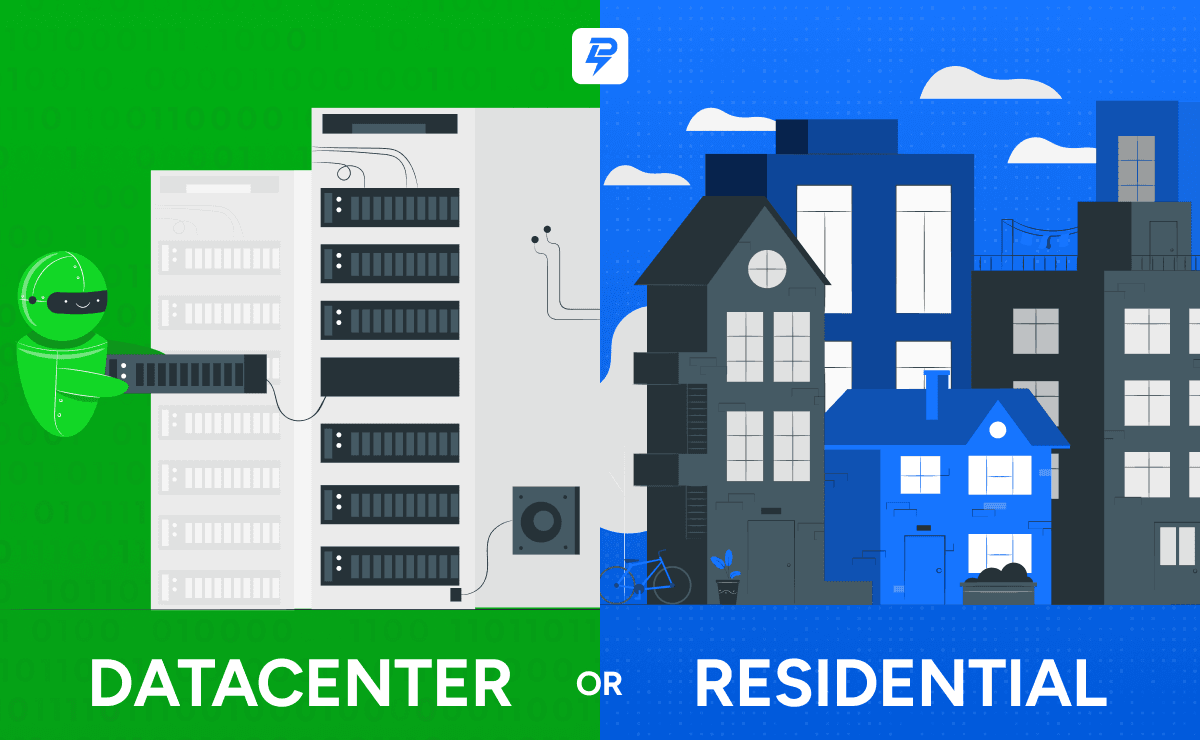
Datacenter vs Residential Proxies
Understand datacenter vs residential proxies: how they work, pros/cons, IP rotation, and when to use each for SEO and other tasks.