Blog / Guide
Write to UsHow to Choose a Proxy Provider: A Practical Guide for Businesses and Developers
April 29, 2026
Guide
Choosing a proxy provider is not just about price or pool size. The wrong provider causes instability, blocks, and wasted time. The right one becomes core infrastructure for scraping, automation, SEO tracking, ad verification, and data collection.
If your operations depend on reliable IP access, provider quality directly affects performance and long-term success.
Start with Your Use Case
Define exactly what proxies are for before comparing providers:
- Scraping protected ecommerce platforms
- Tracking rankings across cities
- Managing multiple social accounts
- Collecting large AI or research datasets
- Testing region-specific site behavior
Evaluate the Proxy Types Offered
Strong providers offer multiple categories so infrastructure can evolve with your workload.
- Residential proxies for high-detection environments
- Datacenter proxies for speed and bulk scraping
- ISP proxies for session stability
- Mobile proxies for social/app testing
- IPv6 proxies for very large pools
- HTTP proxies for web traffic routing
Residential IP Pool Size and Quality
A large pool helps reduce repeated IP usage, but quality matters more than headline numbers.
- IP diversity by country and city
- Clean IP reputation
- Low block rates
- Consistent uptime
- Reliable rotation for high-volume tasks
Geo Targeting Capabilities
Granular targeting is essential for local SEO, ad verification, pricing intelligence, and regional market analysis.
- Country targeting
- State targeting
- City targeting
- ASN targeting where needed
Rotation and Session Control
Flexible rotation protects scrape health while session controls preserve continuity when needed.
- Automatic per-request rotation
- Time-based rotation intervals
- Sticky sessions for stable identity
- Control over rotation frequency
Performance, Speed, and Integration
Slow proxies reduce scrape throughput and increase runtime costs. Integration quality determines deployment speed.
- Low latency and high success rates
- Stable uptime and concurrency support
- Username/password or IP allowlist auth
- HTTP and SOCKS5 support
- Clear docs and API options
Pricing, Transparency, and Support
Compare billing models carefully and avoid hidden-fee plans. Cost predictability is critical as usage scales.
Reliable support and documentation are equally important for mission-critical operations.
Scalability
Choose a provider that can grow with your workload without forcing a migration.
- Easy bandwidth expansion
- Larger IP pools on demand
- Stable high-concurrency performance
- Multiple proxy types in one ecosystem
Common Mistakes to Avoid
- Choosing proxy types that do not match your use case
- Ignoring IP reputation and cleanliness
- Underestimating setup and support quality
- Prioritizing cheap proxies over reliability
- Skipping logging/privacy policy review
- Not testing before committing
Putting It All Together
Evaluate providers across performance, reliability, flexibility, and cost. Match proxy type to task, validate IP quality, and test rotation behavior under realistic loads.
Proxies are infrastructure. Choosing the right provider determines how stable, scalable, and successful your long-term data operations become.
Proxy Provider FAQs
What should I look for in a proxy provider?
Evaluate proxy types, IP pool quality, geo targeting, rotation control, performance stability, and pricing transparency. Also prioritize clear docs and responsive support.
How important is IP pool size when choosing a provider?
Should I choose residential or datacenter proxies?
Why is geo targeting important in a proxy provider?
How do rotation and session control affect performance?
How do I know if a proxy provider can scale with my needs?
November 7, 2025
Guide
The Ultimate Guide to Proxy IP Types
Discover residential, datacenter, mobile, and IPv6 proxy types and learn how to choose the right option for your workload.
October 15, 2025
Guide
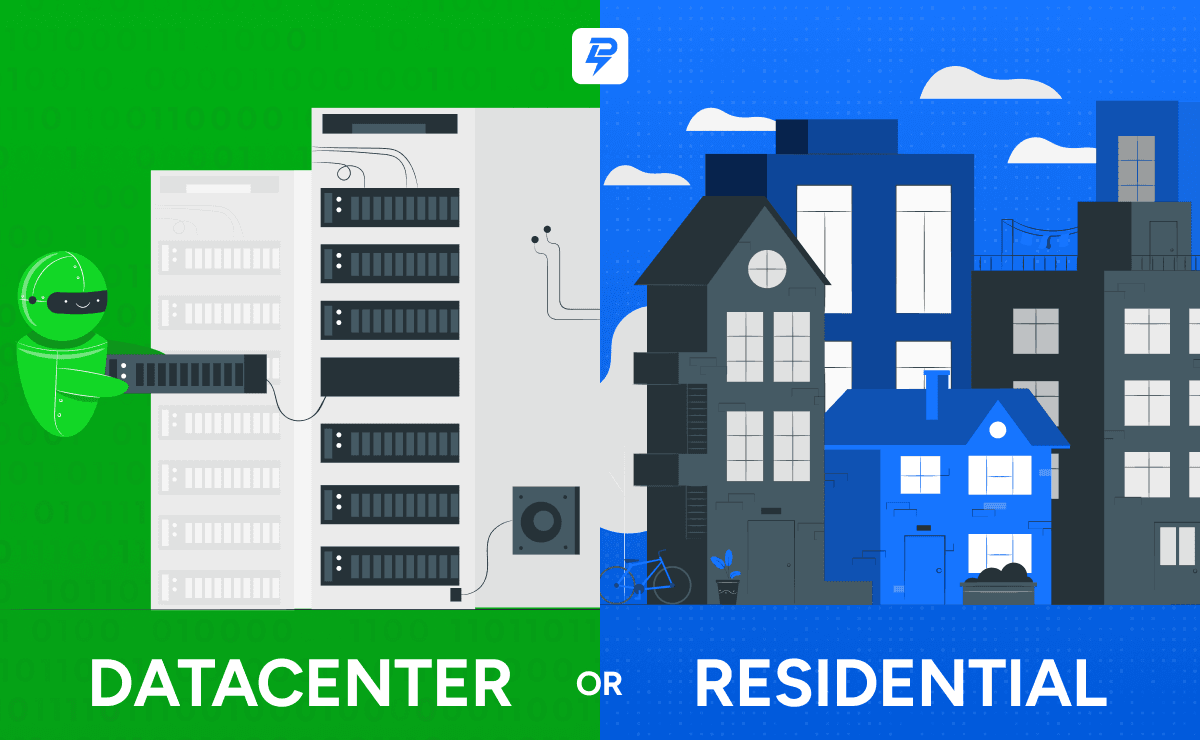
Datacenter vs Residential Proxies
Compare detection risk, speed, pricing, and rotation behavior to select the best proxy type for your project goals.
September 29, 2025
Guide
What Is a Residential Proxy: Complete Guide 2025
Understand residential proxy infrastructure, sourcing, and practical use cases for scraping, SEO, and account management.